
Art Market
Why Artist Profiles Matter When Collecting Art
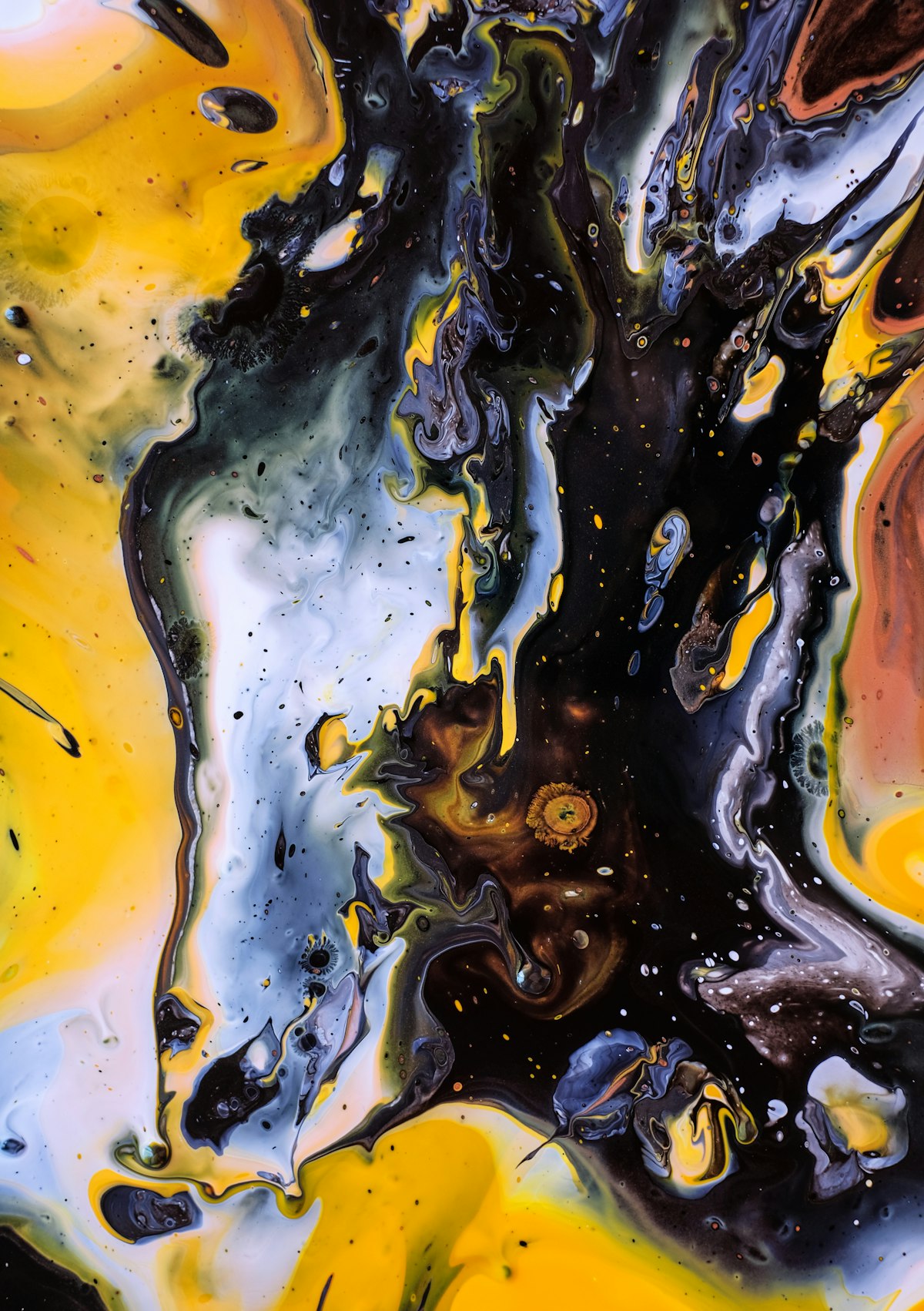
A collector's first step is not only looking at the artwork, but also understanding the artist behind it.
The Artwork and the Artist Are Inseparable
When you encounter a painting or photograph that moves you, it is natural to focus entirely on the work itself — its colours, its composition, the feeling it produces. But for anyone considering a purchase, or simply wishing to engage more deeply, the artist behind the work is an equally important part of the picture.
An artist profile is not just biographical background. It is a map of how a creative practice has developed over time, what ideas it engages with, and where it might be going. Reading a profile well can transform the way you experience not just one work, but an entire body of art.
What to Look For in an Artist Profile
A strong artist profile will typically tell you something about the artist's background, training, and influences. But beyond the biographical basics, look for evidence of a consistent artistic direction. Does the work show a recognisable vision? Has the artist developed a coherent body of work over time, or do pieces feel disconnected and opportunistic?
Exhibition history is another useful signal. An artist who has shown work in reputable galleries, participated in group shows, or been included in curated exhibitions has had their practice evaluated by others in the field. This does not mean that emerging or self-taught artists are less worthy of attention — but it does give you additional context for assessing the seriousness of the practice.
Medium, Style, and Consistency
Pay attention to the media an artist works in. Some artists are devoted to a single medium — oil on canvas, for example, or black-and-white photography — and have developed deep mastery within that form. Others work across multiple media, using different formats to explore different aspects of a single idea. Neither approach is superior, but understanding an artist's relationship to their materials helps you read the work more accurately.
Ask Questions Before You Inquire
Before making an inquiry about a piece you are interested in, take time to review as much of the artist's work as you can access. Look at early pieces alongside recent ones. Notice how the practice has evolved. Consider whether the work you are drawn to represents the artist at their best, or whether it is a departure from what makes their practice distinctive.
If you have the opportunity to communicate with the artist or gallery, ask about the work's context. When was it made? What ideas was the artist working through at the time? Is it part of a larger series? These questions not only enrich your understanding — they also demonstrate to the artist that you are engaging with their work thoughtfully, which matters to most serious practitioners.
Collecting With Intention
The most satisfying collections are built with intention — not simply accumulating pieces that look good on a wall, but assembling works that speak to each other, that reflect a coherent set of interests and values. Understanding artist profiles is the foundation of this kind of collecting.